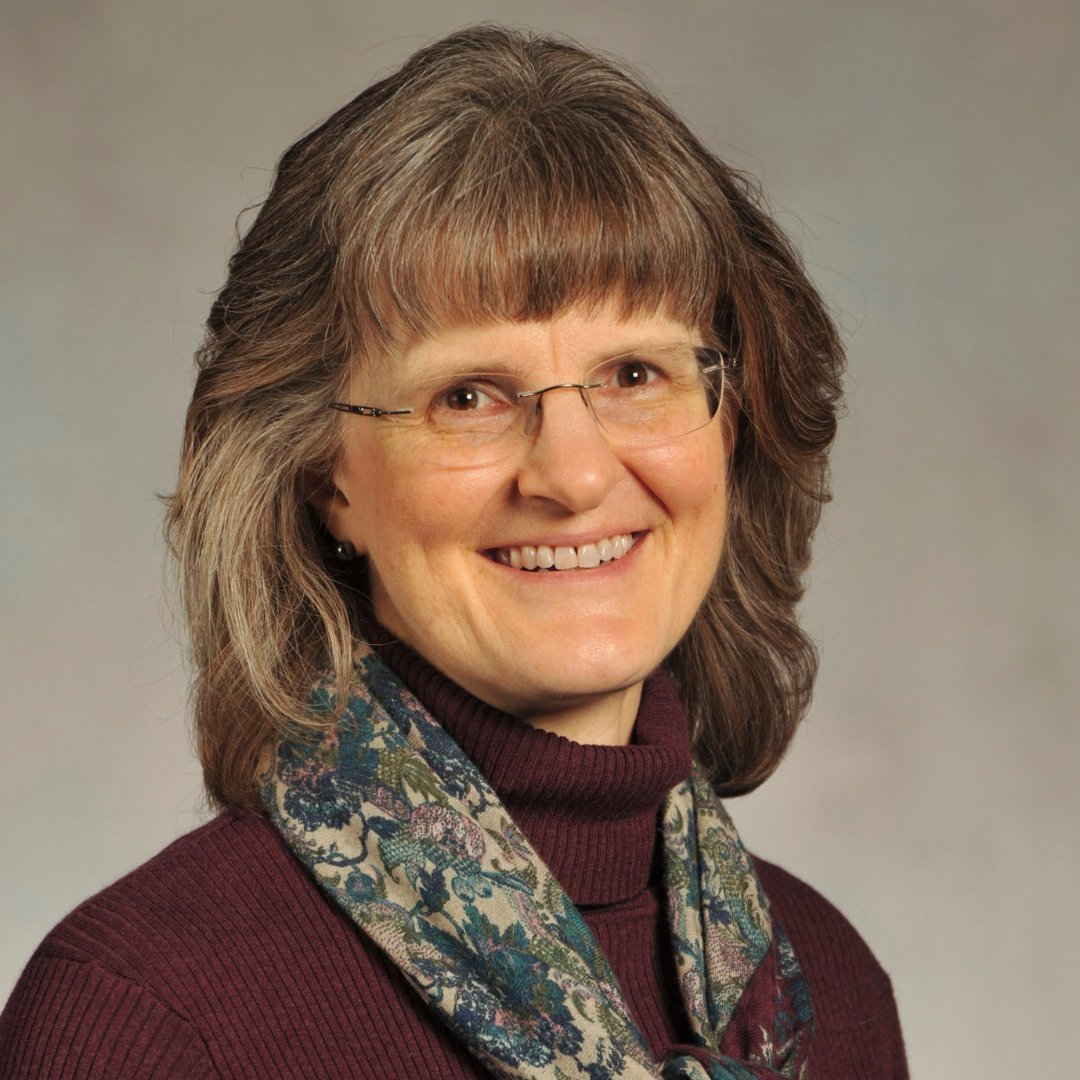
In this episode of Family Matters, Simon O’Connor speaks with Dr. Sharon Quick, a retired anesthesiologist and bioethicist, about the medical and ethical realities of euthanasia and assisted suicide. Drawing from her years of experience, Dr. Quick explains what actually occurs when lethal drugs are used to end a person’s life. As a member of the Charlotte Lozier Institute and president of the Physicians for Compassionate Care Education Foundation, she also describes her organization’s work to protect vulnerable patients at the end of life, oppose assisted suicide, and encourage access to palliative care. The conversation explores the important distinction between a person’s autonomy and their actual capacity to make a fully informed choice, especially when terminally ill patients may be experiencing undiagnosed depression or subtle pressure from others. Dr. Quick also raises concerns about physicians’ limited training in recognizing coercion and the ethical implications of doctors administering or prescribing lethal drugs. She warns that some euthanasia protocols, particularly those involving neuromuscular blockers, may leave patients conscious but unable to move or communicate, and she compares these methods to those used in prison executions. Throughout the discussion, Dr. Quick argues that legalizing euthanasia weakens the principle that every human life has equal worth. She emphasizes that proper palliative care can address pain and suffering in a holistic way, offering a more compassionate and ethical response to those nearing the end of life.